

In today’s tech-savvy world, toddlers seem to have an innate ability to swipe, tap, and binge-watch their favorite cartoons. But as parents watch their little ones glued to screens, a nagging question arises: does all this screen time come at the expense of precious sleep? It’s a dilemma that’s as common as mismatched socks in a toddler’s wardrobe.
Research suggests that those bright screens might be more than just a digital babysitter; they could be the reason behind your child’s late-night antics. As parents juggle bedtime stories and screen time, understanding the impact of screens on sleep becomes crucial. After all, a well-rested toddler is a happy toddler—or at least one that’s less likely to stage a midnight dance party. Let’s dive into the science behind screens and sleep, and uncover how to strike the perfect balance for a restful night.
Overview of Screen Time and Sleep
Screen time has become a prevalent aspect of toddlers’ lives, raising questions about its effects on sleep. Understanding this relationship is crucial for parents seeking to promote healthier sleep habits.
Definition of Screen Time
Screen time refers to any period during which toddlers engage with electronic devices. This includes smartphones, tablets, televisions, and computers. The American Academy of Pediatrics recommends limiting screen time for children under 2 years, encouraging interactive, non-screen play instead. Prolonged exposure to screens can lead to increased stimulation and reduced opportunities for rest. As familiarity with technology grows, many toddlers spend significant portions of their day interacting with these devices, making it vital to assess potential impacts on sleep quality.
Importance of Sleep in Toddlers
Sleep plays a critical role in the overall development of toddlers. It supports growth, cognitive function, and emotional regulation. Age-appropriate sleep for toddlers typically ranges from 11 to 14 hours per day, including naps. Insufficient sleep can result in behavioral issues, mood swings, and impaired learning. Prioritizing sleep allows toddlers to process new information and experiences effectively. Healthy sleep patterns contribute to a stable routine, fostering a sense of security in young children. Ensuring toddlers get adequate sleep enhances their overall well-being, making this aspect vital for parents to monitor.
Effects of Screen Time on Sleep
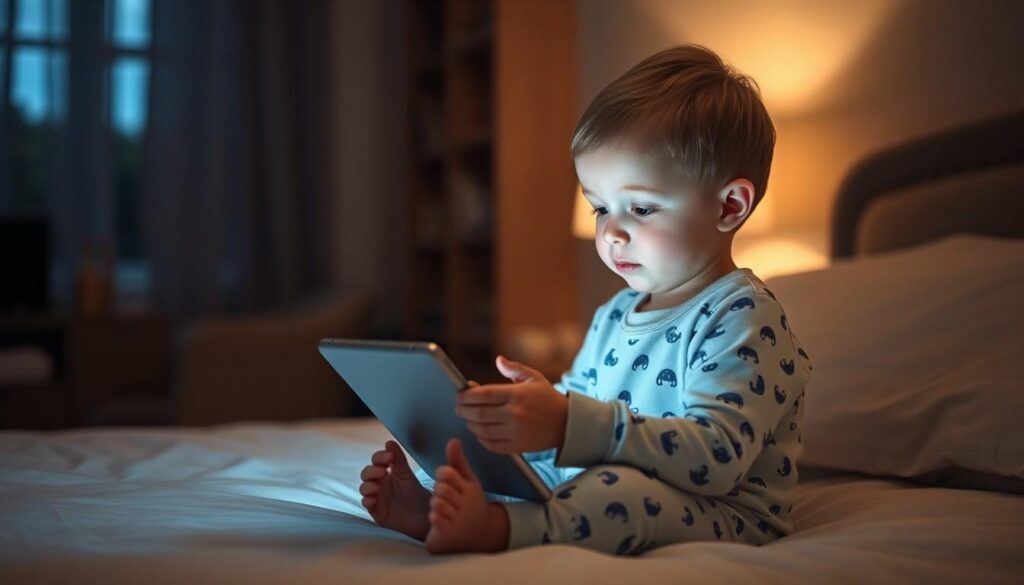
Excessive screen time negatively impacts toddlers’ sleep quality and duration. Research indicates a clear correlation between prolonged screen exposure and sleep disruptions in young children. Studies show that toddlers using screens for more than two hours daily experience greater difficulty falling asleep and reduced overall sleep time.
Research Findings
Multiple studies reveal alarming trends concerning screen time and sleep in toddlers. A significant study by the American Academy of Pediatrics found that toddlers exposed to screens before bedtime face a higher risk of sleep disturbances. Analysis highlights that the blue light emitted from devices interferes with melatonin production, which is essential for regulating sleep cycles. Additionally, researchers observed that toddlers engaging with screens experience increased alertness, leading to difficulties in transitioning to sleep. These findings underscore the necessity for parents to monitor and limit screen use, particularly during evening hours.
Mechanisms Behind Sleep Disruption
Several mechanisms explain how screen time affects sleep patterns in toddlers. Blue light from screens inhibits melatonin secretion, causing delays in sleep onset. Engaging content also stimulates young minds, making it challenging to wind down before bed. Moreover, the interactive nature of many apps and games can lead to heightened brain activity, reducing the likelihood of restful sleep. Increased screen-associated stimulation decreases opportunities for calming activities, which are crucial for preparing toddlers for sleep. Parents should consider these factors when evaluating their children’s screen habits.
Recommended Guidelines for Screen Time
Establishing guidelines for screen time is crucial in promoting healthy sleep patterns for toddlers. Parents can benefit from understanding these recommendations for optimal sleep and development.
Age-Appropriate Screen Time Limits
For toddlers under 2 years, the American Academy of Pediatrics advises no screen time, except for video chatting. Children between ages 2 and 5 should limit screen exposure to one hour of high-quality programming each day. This brief exposure can help ensure that toddlers engage in more interactive and non-screen play. Maintaining these limits reinforces healthy sleep routines, as excessive screen time contributes to difficulties in falling asleep and staying asleep.
Tips for Managing Screen Time
Setting a consistent daily schedule for screen use aids in managing exposure. Parents can restrict screens during mealtimes and before bed to enhance bedtime routines. Engaging toddlers in other activities such as reading, drawing, or playing outdoors encourages development without screens. Designating screen-free zones, especially in bedrooms, can promote better sleep quality. Finally, modeling balanced screen use helps toddlers understand healthy habits effectively.
Alternative Activities to Promote Better Sleep
Engaging in alternative activities can significantly enhance toddlers’ sleep quality. These activities serve as effective substitutes for screen time, promoting relaxation and winding down before bedtime.
Reading and Storytelling
Reading offers a calming experience that fosters imagination. Sharing stories encourages language development and strengthens parent-child bonds. Selecting age-appropriate books ensures that toddlers remain interested, sparking curiosity before sleep. Establishing a routine around reading can signal bedtime, making it easier for toddlers to transition to rest. Incorporating interactive storytelling can also stimulate cognitive skills while maintaining a tranquil environment. Parents can create a cozy reading nook to further enhance this experience, making it a special time each evening.
Outdoor Play and Physical Activity
Outdoor play delivers numerous benefits for toddlers, including promoting physical health and improving sleep quality. Engaging in activities like running, jumping, and playing games helps to expend energy and prepares the body for rest. Fresh air and natural light also contribute positively to mood and overall well-being. Parents can schedule outdoor playtime during daylight hours, ensuring toddlers receive adequate physical activity before evening routines. Creating a structured play schedule aids in establishing a consistent bedtime, fostering better sleep habits. Ultimately, outdoor activities lay the groundwork for restful nights and happy mornings.
Conclusion
Managing screen time is crucial for toddlers’ sleep health. The evidence clearly shows that excessive exposure to screens can disrupt sleep patterns and negatively impact overall well-being. By prioritizing screen-free activities and establishing consistent routines, parents can create an environment conducive to restful sleep.
Encouraging alternative activities like reading and outdoor play not only reduces screen time but also fosters healthy habits. As parents navigate the challenges of technology in their children’s lives, it’s essential to strike a balance that supports restful nights and promotes healthy development. Taking proactive steps today can lead to better sleep outcomes for toddlers tomorrow.


